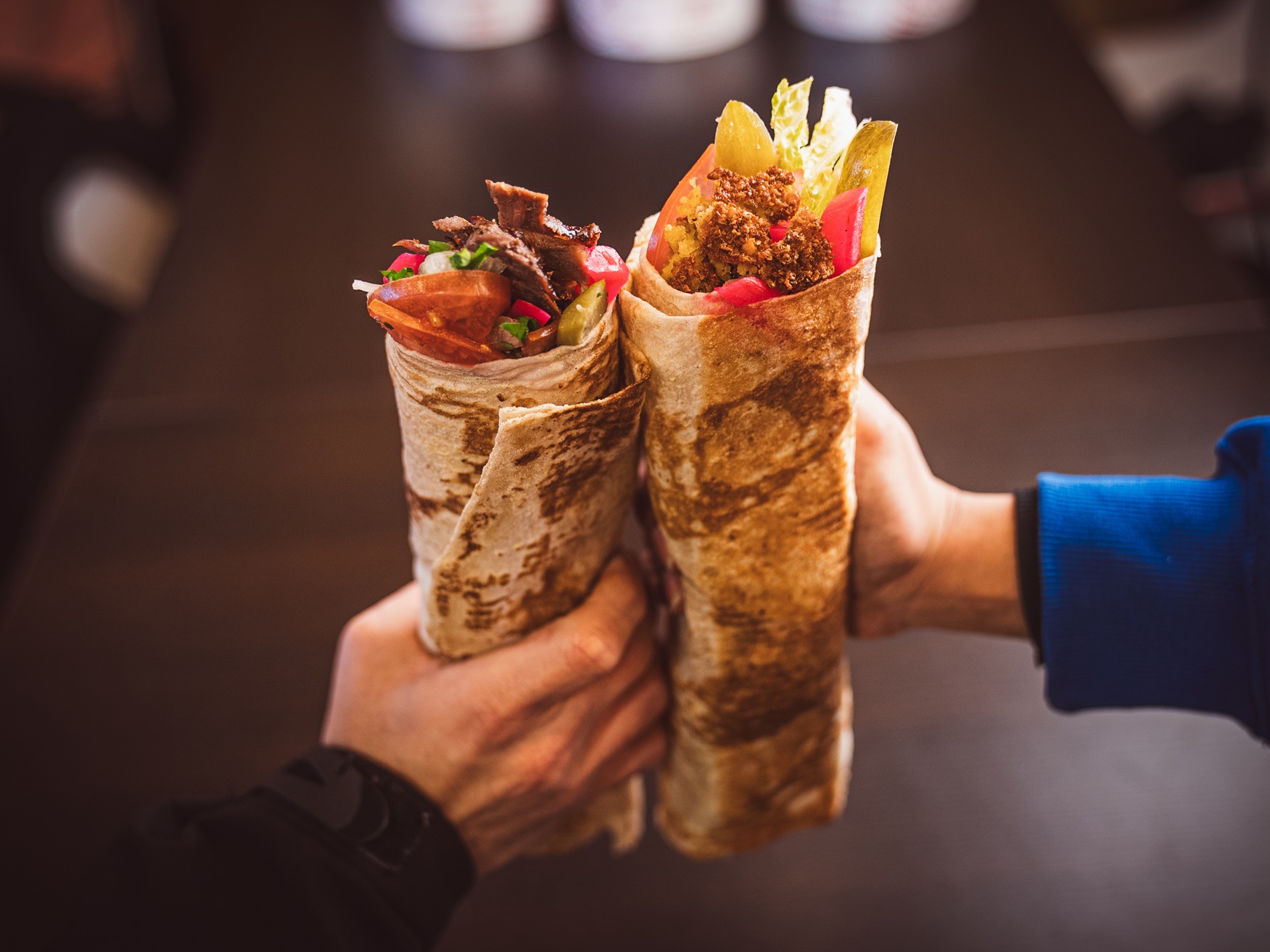
For decades, shawarma was known primarily as a fast, satisfying takeout option—wrapped in warm pita, loaded with flavour, and eaten on the go. Today, that narrative has changed. Shawarma has evolved from a humble street food into a globally respected dish that now appears on curated menus, upscale catering experiences, and even fine-dining plates.
This transformation reflects a broader shift in how global cuisines are celebrated, elevated, and reimagined.
A Street Food with Deep Cultural Roots
Shawarma’s origins trace back to the Middle East, where slow-roasted meat cooked on a vertical rotisserie was both practical and flavourful. Traditionally sold by street vendors, it was designed for accessibility—affordable, filling, and deeply satisfying.
Despite its simplicity, shawarma was always technically complex. The spice blends, marination process, and slow-cooking technique required precision and experience. What changed was not the dish itself, but how the world came to appreciate it.
The Takeout Era: Speed, Convenience, and Comfort
As shawarma spread across Europe and North America, it found its place in quick-service restaurants. It became synonymous with late-night eats, quick lunches, and budget-friendly meals.
During this phase, shawarma earned its reputation as reliable comfort food. It was fast, flavour-packed, and customizable—qualities that fueled its rapid expansion. However, much of the craftsmanship behind the dish remained under the radar.
A Culinary Shift Toward Authenticity
In recent years, diners have become more curious about food origins, preparation methods, and cultural authenticity. This shift worked in shawarma’s favour.
Chefs and restaurateurs began highlighting:
- House-made spice blends
- Longer marination times
- Premium cuts of meat
- Freshly baked pita
- Traditional sauces prepared from scratch
As quality took center stage, shawarma naturally transitioned from a convenience meal to a crafted culinary experience.
The Rise of Elevated Shawarma Concepts
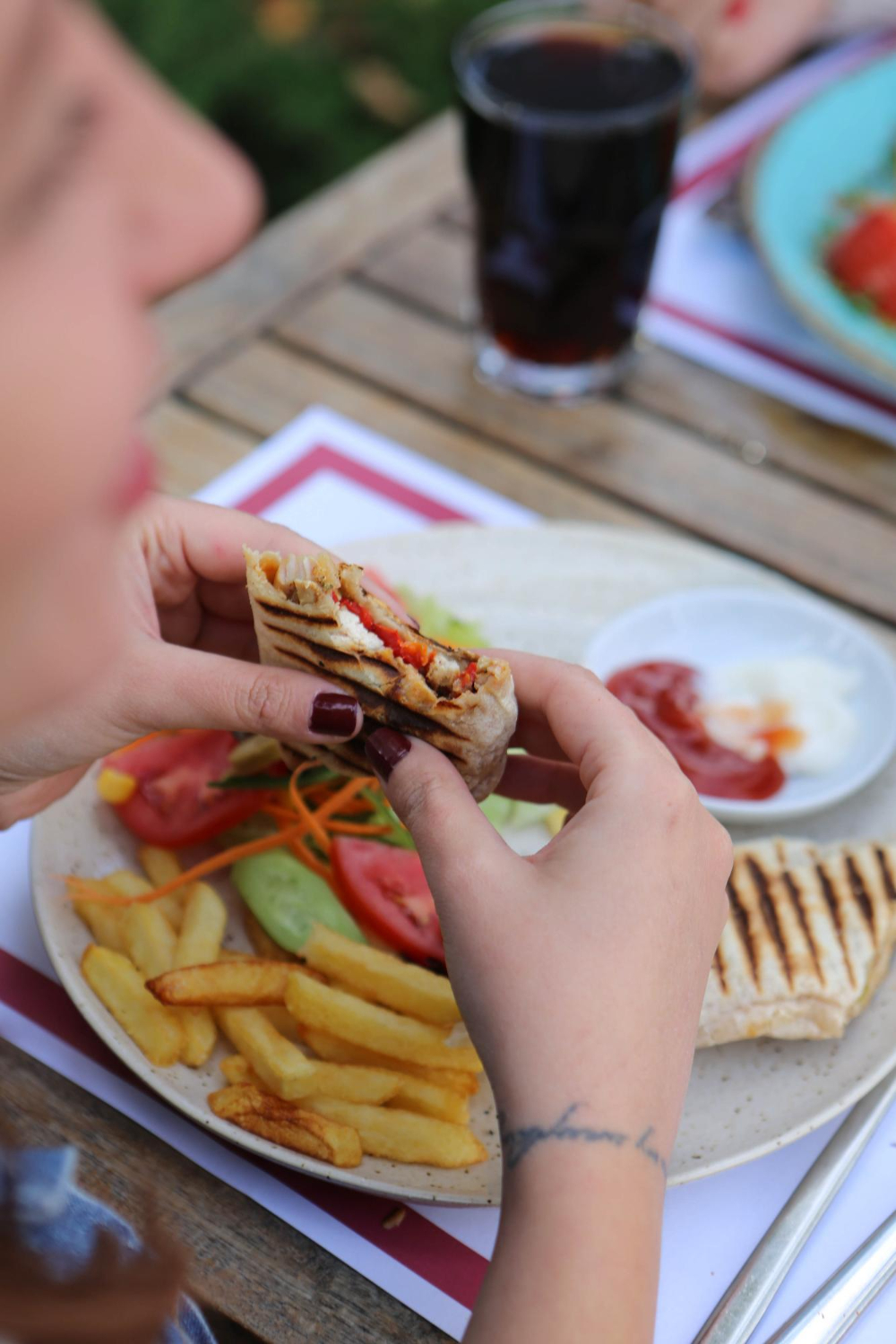
Modern shawarma restaurants now focus on presentation, technique, and storytelling. Instead of foil-wrapped takeout, shawarma appears on thoughtfully plated dishes with vibrant accompaniments.
Fine-dining and upscale-casual concepts have introduced:
- Artisan plating
- Chef-driven flavour profiles
- Seasonal ingredients
- Curated side dishes and pairings
The rotisserie, once hidden in the back, is now proudly displayed as part of the dining experience.
Live Stations and Experiential Dining
Another major milestone in shawarma’s evolution is its rise in premium event catering. Live shawarma stations bring theatre, aroma, and interaction to weddings, corporate events, and large-scale celebrations.
Watching a chef carve perfectly roasted meat directly onto fresh bread elevates shawarma from food service to culinary performance. This experiential approach has helped position shawarma alongside other high-end event offerings.
Global Flavours Meet Modern Techniques
Shawarma’s adaptability has also fueled its growth. Chefs now experiment with:
- Fusion-inspired toppings
- Gourmet sauces
- Alternative proteins
- Fine-dining presentation styles
While the core of shawarma remains unchanged, these modern interpretations allow it to fit seamlessly into contemporary menus without losing its cultural identity.
Why Shawarma’s Evolution Matters
Shawarma’s journey from takeout staple to fine-dining favourite represents something bigger than a food trend. It highlights how global cuisines are finally being recognized for their depth, technique, and artistry.
What was once underestimated is now celebrated—proving that comfort food and culinary excellence can coexist.
Final Thoughts
Shawarma’s evolution is a story of respect, craftsmanship, and cultural appreciation. Whether enjoyed as a quick wrap or presented as an elevated dining experience, shawarma continues to win hearts through flavour and authenticity.
From the streets of the Middle East to modern dining rooms and upscale events, shawarma has secured its place as a dish that transcends categories—and it’s only getting better.